Door categorieën bladeren
Ontdekken
Fiverr Pro
Nederlands
$
USD


Automatische vertaling
RAG is makkelijk te demoën en moeilijk te implementeren. De meeste "chat met je documenten"-projecten vallen uit elkaar zodra echte gebruikers ermee aan de slag gaan. Retrieval geeft irrelevante stukken terug. Citaten kunnen niet terugverwijzen naar de bron documenten. Context windows worden duurder per query. Antwoorden hallucinerend omdat de retrieval layer nooit echt is getuned. De demo werkte. Productie niet.
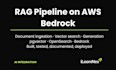
Ik bouw RAG zoals backend engineers elk productie systeem bouwen. Begin met echte document chunking, niet met standaard splitsers. Embeddings in pgvector of OpenSearch met een retrieval layer die je echt kunt debuggen. Generatie op AWS Bedrock met Claude of Titan modellen. Citatie tracking zodat antwoorden terugwijzen naar de bron. Metadata filtering zodat gebruikers alleen documenten kunnen zien waar ze toestemming voor hebben.
Ik heb praktische Bedrock ervaring uit het AWS AI en ML Scholars programma plus productie backend diepte van meer dan 4 jaar systemen die echt verkeer verwerken. De retrieval en generation code is het interessante deel. De infrastructuur eromheen bepaalt of je RAG echt werkt in productie.
Stuur me een bericht met wat je querybaar wilt maken.
Senior backend engineer
Talen
Automatische vertaling
Automatische vertaling
Met welke soorten documenten kun je werken?
PDF's, Word documenten, markdown, platte tekst, HTML en gestructureerde data zoals CSV's of JSON. Ik heb gewerkt met gemengde documentsets, waaronder technische documentatie, juridische contracten, interne kennisbanken en support ticket archieven.
Waarom AWS Bedrock in plaats van OpenAI?
Bedrock is logisch als je al op AWS zit, modellen nodig hebt die in je VPC draaien voor compliance, toegang wilt tot meerdere modelfamilies via één API (Anthropic Claude, Amazon Titan, Meta Llama, Cohere en anderen), of een enterprise procurement hebt die de voorkeur geeft aan AWS.
